Guns and Dragons Runes and Artifacts Builds
Stack modifiers that turn a base weapon into an over-engineered magitech loadout.
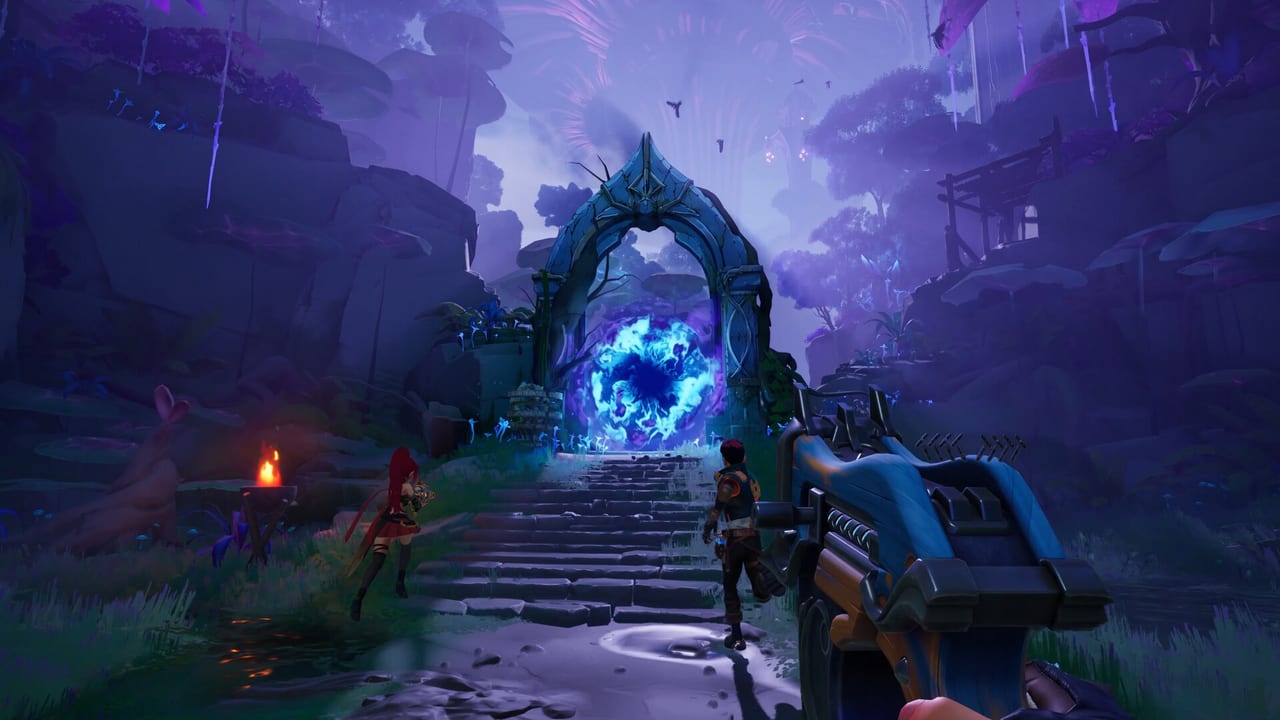
Runes and artifacts are the soul of Guns and Dragons loadouts. ABUTTON Inc. built this co-op roguelite FPS so that the same revolver or longbow can become a crit machine, a sustain engine, or a team-wide buff platform depending on what you pick from dungeon drops, altar rewards, and camp investments. This guide explains how those layers interact — with playtest-era examples labeled honestly as provisional.
Slaying enemies yields runes, artifacts, altar rewards, and related treasures. Between runs, camp meta-progression further infuses gear with arcane technology. If you only optimize your base weapon class and ignore modifiers, you will underperform compared to players who plan synergies from floor one.
Runes versus artifacts: what each layer does
Runes typically attach to your weapon or character in slots that multiply a specific behavior — fire rate, reload speed, elemental proc chance, projectile size, or crit multiplier. They tend to stack additively or multiplicatively within families, which is why duplicate-themed runes often outperform scattered picks.
Artifacts behave more like passive relics: unique rules that change how you aim, move, or share power with allies. An artifact that triggers on headshots synergizes with sniper and crossbow classes; an artifact that spreads damage on kill favors shotgun and SMG crowd-control routes.
Skills and altar rewards sit on top. A strong rune core plus a weak altar pick still wins runs; a weak core plus a flashy altar often collapses on boss checks. Read how to play for the full dungeon-to-camp loop if altar timing is unfamiliar.
Stacking philosophy from the Steam playtest
During the July 30–August 10, 2026 Steam playtest, successful loadouts shared three habits:
- Commit by mid-run. Roguelites punish endless pivoting. Choose a theme — crit, elemental, sustain, or team aura — before the first mini-boss when possible.
- Match rune color or family to weapon class. Spread-focused runes on shotguns and precision runes on snipers appeared consistently in community footage, even without public stat tables.
- Leave flex slots for co-op. In 1–3 player groups, one artifact that buffs allies often outvalues a selfish damage relic unless solo.
These patterns are reasoned playtest observations, not datamined guarantees. ABUTTON can rebalance proc rates before launch on Steam and Epic Games Store.
Strong archetypes (provisional)
Crit precision stack
Pair headshot-friendly firearm or bow classes with crit chance runes and artifacts that reward accuracy. Works in solo builds when you can trust your aim; in co-op, assign this role to one player while others handle aggro.
Elemental proc stack
Stack runes that apply burn, frost, or shock (exact names vary by build) on fast-hitting weapons. Revolvers and SMGs activate procs more often than single-shot snipers unless you invest heavily in proc chance artifacts.
Sustain and reload stack
Magitech fantasy often hides sustain in reload perks and on-kill healing artifacts. Revolver mains in the playtest reported stable deep runs when reload speed runes aligned with lifesteal-style altar rewards — tier placement noted on the builds tier list as provisional A-tier for solo learning.
Team aura stack
Co-op teams that dedicate one player to aura artifacts — damage buffs, cooldown reduction, or shared shields — cleared chaotic village encounters more reliably than three selfish DPS loadouts. See co-op builds for role splits.
Common mistakes
- Mixing conflicting themes — crit runes plus spread-only artifacts on the same shotgun often dilutes both.
- Chasing rarity over synergy — a lower-tier rune that completes a set beats a flashy orphan artifact.
- Ignoring camp unlocks — between-run investments unlock slots and baseline power; see weapon upgrades for how camp and in-run layers differ.
- Building for trailers, not your aim — meme combos are valid, but tier lists assume consistent play. Start with weapon synergies matched to your skill level.
Altar reward decision framework
When an altar offers three rewards, filter quickly:
- Does it advance my committed theme?
- Does it fix my weakest check — usually boss DPS or survivability?
- In co-op, does it help the team more than padding my stats?
If all three answers are no, pick the option that preserves future flexibility (extra rerolls, currency, or slot unlocks if offered) rather than a one-off damage spike that breaks your rune plan.
Related guides
- Weapon synergies — pair classes with artifact families
- Weapons tier list — class-level power before modifiers
- Builds tier list — archetype rankings after modifiers
- Firearms and bows — choose the right base weapon
Frequently Asked Questions
Quick answers to the most common questions.
What is the difference between runes and artifacts in Guns and Dragons?
Runes usually boost specific weapon or character stats in stackable slots. Artifacts grant broader passive rules — often build-defining effects that change how you play. Both drop during runs and interact with skills and altar rewards.
Can I respec runes mid-run?
Roguelite rules vary by unlock. Playtest footage shows rune and artifact choices are mostly run-locked except where altars or camp upgrades offer rerolls. Plan commits around mid-run milestones.
Which rune stack is best for solo?
Provisional playtest trends favor sustain plus reliable single-target damage — often revolver or sniper cores with reload or crit runes. See solo builds for full loadouts.
Are artifact combos official meta?
No official meta exists. ABUTTON encourages experimental, over-engineered weapons. Use tier lists as starting points, not law.