Guns and Dragons Camp and Base Progression
Offshore base meta, magitech gear upgrades, and long-term power between roguelite runs.
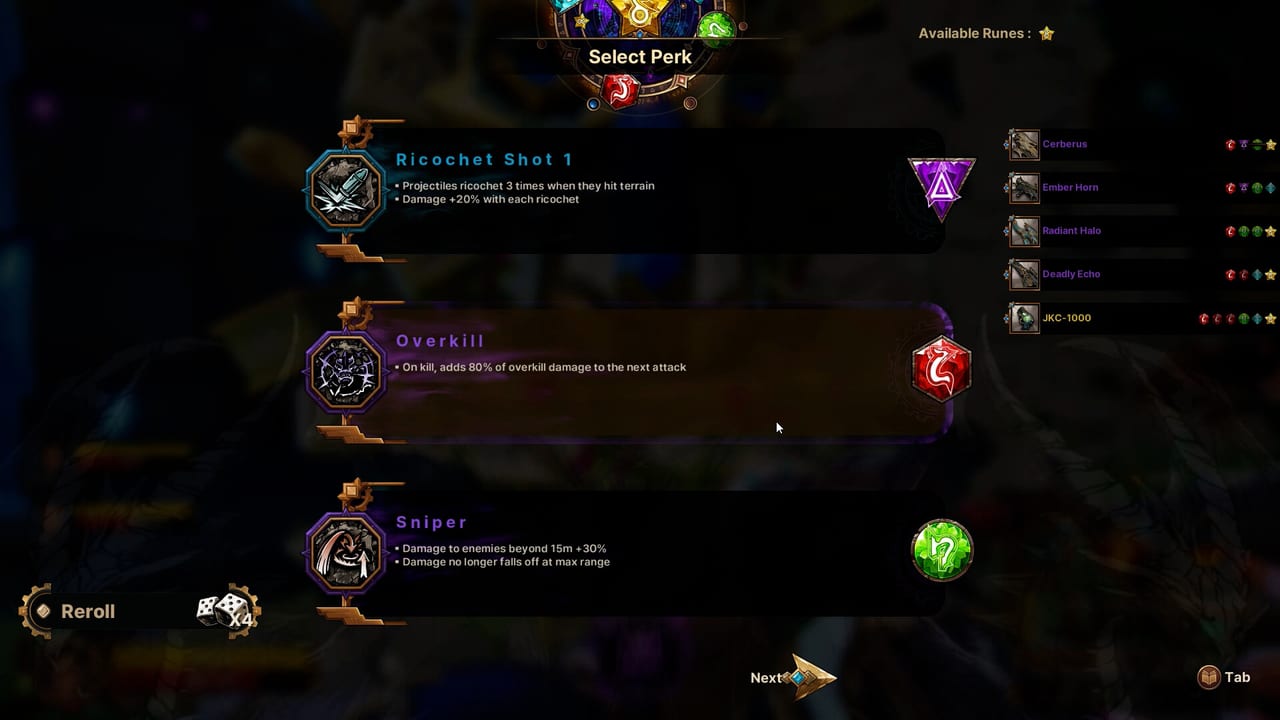
Between combat runs, Guns and Dragons sends you to an offshore camp base where meta-progression turns good runs into permanently stronger attempts. ABUTTON Inc. frames this layer as developing gear infused with arcane technology that grows “ever-more powerful” the more you invest—distinct from the temporary spikes you earn mid-run at altar rewards. Understanding camp systems separates players who plateau after day one from those who snowball through the July 30–August 10, 2026 playtest and into launch.
Read How to Play for in-run flow and Getting Started for vocabulary.
Why camp matters in a roguelite FPS
In-room gunplay wins individual fights; camp wins campaigns. Each extract or wipe returns resources, unlock progress, and building options that persist across sessions stored via Azure PlayFab online services. Solo players rely entirely on camp to raise their floor; co-op squads should align upgrades so no one drags party DPS—see Co-op.
Skipping camp to chain-queue another run feels productive but usually undermines damage breakpoints needed for deeper dungeon layers and formidable boss checks—see Bosses when elite pacing stalls your progress.
Magical companion at camp
Beyond buildings and crafting benches, camp hosts a magical companion—a persistent ally tied to offshore base progression rather than a disposable in-run summon. Official materials position the companion alongside magitech gear upgrades: investing between runs can unlock companion abilities, buff auras, or narrative beats that reward repeat playtests. The companion does not replace weapon skill; it complements rune planning and altar reward choices by giving you a stable meta hook when RNG offers feel scattered.
During the still-active Steam playtest through August 10, 2026, log which companion upgrades appear after your first extract and whether co-op parties share companion visibility. Full mechanics live in Magical Companion; this page focuses on how companion spending fits next to runes, artifacts, and base structures.
Offshore base expansion
Official materials describe expanding your base between attempts. Expect structure placement or tech tree nodes that unlock:
- Weapon modification benches for the 46+ firearms and bows pool
- Rune crafting or slot expansion
- Artifact identification or storage
- Skill training or passive account bonuses
- Quality-of-life utilities (faster loadouts, co-op staging areas)
Exact building names may change in playtest patches—prioritize nodes that affect your main weapon family first, then utility nodes that speed reruns.
Runes — persistent vs run-bound
Runes modify weapon behavior: fire rate, magitech procs, pierce, reload tricks, or bow-specific crit rules. Some rune effects may be equipped at camp before dropping in; others might be found in-run and socketed temporarily. General strategy:
- Pick one scaling keyword (burn, shock, pierce, crit) per weapon.
- Socket camp runes that amplify that keyword.
- During runs, take altar rewards that stack with the same keyword instead of diluting.
Document which runes feel mandatory after each playtest patch and share notes on Discord (discord.gg/ubyEsuCSky).
Artifacts — synergy planning
Artifacts provide run-long bonuses and often define co-op synergy. Camp may let you bias loot tables, unlock artifact tiers, or store discovered combos. Build artifact lines deliberately:
- Selfish DPS — Solo speed clears for resource farming.
- Party aura — Co-op extracts with shared buff artifacts.
- Economy — Bonus resources on extract to rush camp buildings faster.
Avoid unlocking every artifact line equally early—spread resources too thin and mid-run altar choices lack focus.
Skills — actives and passives
Skills cover gaps weapons leave: mobility, shields, scans, turrets, or team heals. Camp investments might reduce cooldowns, add charges, or unlock new skill tiers. Match skills to encounter pain points:
- Dying to flanks → mobility or deployable control
- Elite bullet sponges → damage amp or weakpoint scan
- Co-op confusion → mark or ping-enhancing skills
Test one new skill node per evening instead of resetting entire trees each run.
Altar rewards vs camp upgrades
| Source | Timing | Typical effect |
|---|---|---|
| Altar rewards | Mid-run | Immediate power spike, run-only unless specified |
| Camp upgrades | Between runs | Persistent power, build enablers |
| Elite drops | In combat | Resource fuel for camp |
Altar choices should preview where you want camp to invest next. If altars keep offering bow crit bonuses, fund bow rune slots at camp instead of shotgun nodes. For pick-by-pick strategy, read Altar Rewards in the Builds section.
Resource loops and extract discipline
Resources enter camp through kills, objectives, and successful extracts. Push-depth greed without extract plans burns time without guaranteed payout. Co-op groups should vote extract when:
- Everyone has at least one meaningful altar pick
- Healing and ammo are low for the next layer
- Camp goal requires a specific currency threshold tonight
Details on pacing fights appear in How to Play.
Solo camp priorities
Solo players cannot rely on teammates to carry underinvested camp stats. Recommended order:
- Core weapon damage or handling for your chosen class
- Survivability (health, shields, regen)
- Economy nodes to accelerate everything else
- Luxury QoL (cosmetic or minor convenience)
Co-op shared meta etiquette
If account progress is individual (likely for roguelites), still coordinate which artifact lines each friend pursues so party comp stays complementary. If any shared base features exist in a patch, discuss spending before one player drains communal materials.
Playtest observation journal
During the Steam playtest, log:
- Camp node cost vs power felt next run
- Which magitech upgrades visually change weapons
- Any hard caps on rune slots
- Whether wipes refund partial resources
Compare notes after August 10, 2026 when the first window closes—Playtest may return with new rules.
Launch and Epic Games Store parity
Full release is TBA on Steam and Epic Games Store. Camp progression will likely require online sign-in for cloud saves via PlayFab—Steam lists Steam Cloud support for cross-session continuity. Family Sharing may let household members access the retail build when it ships; playtest access still requires individual Request Access approval. Back up expectations if offline mode is unavailable.
Related guides
- Magical Companion — camp ally progression in depth
- Altar Rewards — mid-run picks that inform camp spending
- Guides Hub — index of all guides
- Co-op — squad roles feeding camp choices
- Controls — menu navigation for camp UI
Camp is where magitech fantasy meets spreadsheet discipline—invest wisely and your next Guns and Dragons run starts closer to the absurd power ABUTTON wants you to discover.
Frequently Asked Questions
Quick answers to the most common questions.
What is the camp in Guns and Dragons?
An offshore base hub where you spend resources between runs to upgrade weapons, runes, artifacts, skills, and structures.
How do altar rewards differ from camp upgrades?
Altars grant mid-run power during a single attempt. Camp upgrades persist between runs and raise your baseline strength.
Should I extract or keep pushing deeper?
Extract when you secured resources for camp goals or when supplies are low. Greed without payout slows meta-progression.
Do co-op players share camp progress?
Expect individual account progression via online services; coordinate artifact lines so party roles stay complementary in [Co-op](/guides/co-op/).
What is the magical companion in Guns and Dragons?
A persistent camp ally tied to between-run progression. See [Magical Companion](/guides/magical-companion/) for abilities and upgrade paths.
When can I test camp systems?
During the live Steam playtest through August 10, 2026 after Request Access approval. See [Playtest](/guides/playtest/).